Maple Leaf Vein Svg: A Designer's Review for Real Embroidery Projects
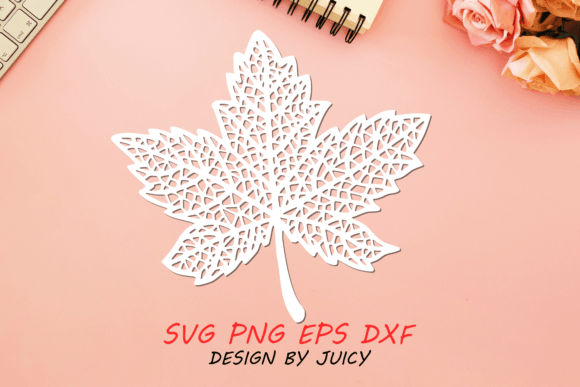
When I first opened the Maple Leaf Vein Svg, my immediate reaction wasn't about the file size or the format, but about the mood it sets. There is a distinct warmth to this design that feels less like a generic clipart and more like a curated element ready for a high-end handmade product. As someone who has spent years evaluating digital assets for commercial embroidery, I look for designs that translate well from screen to stitch. This piece hits that mark immediately with its focus on natural detail.
The visual personality of the Maple Leaf Vein Svg is sophisticated yet approachable. It captures the essence of autumn without being overly busy. The vein structure provides a natural roadmap for the eye, suggesting where the light would hit the fabric and how the thread should flow. For a crafter looking to create seasonal merchandise, this is exactly the kind of graphic that elevates a project from "DIY" to "boutique quality." It feels at home in the Crafts category, specifically within Graphics designed for transformation into physical goods.
From Digital File to Finished Tote Bag
Let me walk you through a real scenario. Imagine you are preparing for a holiday market or launching a new line of personalized gifts on Etsy. You need a signature item that screams "fall season" but stands out against the sea of pumpkin spice imagery flooding the market. I decided to test the Maple Leaf Vein Svg on a canvas tote bag intended as a gift for a local coffee shop owner.
The decision process started with the layout. Because the design focuses on the veins rather than filling the entire leaf shape with heavy color, it allows for creative freedom in thread selection. I chose a deep rust-orange satin stitch for the outline and a lighter gold fill stitch for the veins themselves. The result was subtle depth. When stitched onto the canvas, the design didn't look flat; the vein lines created a texture that mimicked the actual leaf structure. Customers running their hands over the finished product noticed the dimensionality immediately.
This level of detail is crucial for custom apparel and tote bag designs. If you are selling these items, your customers want to feel the quality. A design that relies on too many tiny dots or complex shading can get lost in the stitching process. The clean lines of the Maple Leaf Vein Svg ensure clarity, making it an excellent choice for embroidery projects that need to hold up to frequent handling and washing.
Why This Design Works for Small Business Merchandise
For Etsy sellers and small shop products, versatility is king. The Maple Leaf Vein Svg isn't limited to just one type of item. Its clean geometry makes it adaptable for various applications:
- Holiday Embroidery: Perfect for holiday gifts like kitchen towels or pillow covers. The vein pattern looks elegant on white tea towels, adding a touch of rustic charm to a modern kitchen.
- Baby Embroidery: The organic shape is gentle enough for nursery decor or baby clothes. It avoids the jagged edges that sometimes look harsh on delicate fabrics.
- Commercial Embroidery: For brands looking to add a seasonal touch to their uniform shirts or sweatshirts, this design offers a professional aesthetic that aligns with current trends in nature-inspired branding.
I also tested this design as a potential embroidered patch for denim jackets. The vein details provided enough contrast to define the shape even when the background was filled heavily. This suggests that the machine embroidery design is robust enough to handle different backing styles, which is a huge plus for apparel decorators working with diverse materials.
Navigating Fabric and Stitch Density Challenges
While the Maple Leaf Vein Svg is impressive, no designer can ignore the practical realities of stitching. Every embroidery file has its limitations, and understanding them is key to maintaining customer trust. Here is where you need to be careful during the production phase.
If you are working with stretchy fabric like jersey knits for t-shirts, you must pay close attention to the stabilizer. The vein lines, while clean, require a certain amount of stability to prevent puckering. Without proper underlay and top stabilizers, the fine details of the veins might distort slightly, losing the crispness that makes the design so appealing. Always test on scrap fabric first to gauge the tension.
Texture is another factor. On highly textured fabrics like thick fleece or bouclé, the fine vein lines might get swallowed by the nap of the material. In these cases, the design works best if used as a central accent rather than covering a large area. Conversely, on smooth fabrics like sateen or tight-weave cotton, the design shines, offering high-definition clarity.
Be cautious with small hoop sizes. While the overall shape of a maple leaf is compact, the internal vein details can become muddy if the design is scaled down too much for a small cap or a baby hat. If you plan to use this for caps or hats, verify that the minimum stitch count per inch remains legible. Tiny lettering or intricate corners often suffer in these confined spaces, so keep the design centered and avoid scaling it below 2 inches unless you have verified the machine's capability.
Color Contrast and Visual Appeal
The success of any finished product often hinges on thread color contrast. With the Maple Leaf Vein Svg, you have the opportunity to play with monochromatic schemes or bold contrasts. However, dark fabrics require a specific approach. If you stitch this design directly onto black fabric without a border or a light-colored underlay, the veins might disappear into the shadows.
I recommend creating a mockup using a light-colored thread on a dark background to visualize the impact. Sometimes, adding a simple outline stitch around the perimeter of the leaf can frame the veins beautifully, ensuring they pop regardless of the fabric color. This attention to detail directly impacts brand consistency and buyer engagement. A customer receiving a poorly executed embroidery job will not return, but one who receives a sharp, well-contrasted piece will likely become a repeat buyer.
Practical Notes for the Creative Entrepreneur
Before you rush to produce a batch of personalized gifts or list this as a digital product preview for your own shop, there are a few critical steps to take. First, inspect the small details in your digitizing software. Ensure that the pathing of the veins is logical; some designs have overlapping paths that can cause thread breaks or excessive trimming.
Check whether the design includes instructions for applique design usage. While the SVG is primarily a vector outline, converting it to an applique could add another layer of texture to your handmade product. If you choose to go this route, remember to adjust the stitch density accordingly to accommodate the fabric edge.
Always confirm licensing terms before selling finished items. Even though this is a craft business asset, the rights to resell the digital file versus selling the physical embroidered goods can vary. Verify that you are cleared for commercial embroidery use to protect your creative entrepreneurs status and avoid legal pitfalls.
Finally, test the design in black and white mockups. This removes the distraction of color and lets you judge the composition purely on line weight and spacing. If the design holds up in grayscale, it will almost certainly succeed in full color. This step saves time and money on wasted thread and fabric.
In conclusion, the Maple Leaf Vein Svg is a strong contender for anyone looking to inject autumnal elegance into their portfolio. Whether you are designing for a boutique brand, a craft fair booth, or a personal holiday project, this design offers the balance of detail and simplicity needed for high-quality results. By respecting the nuances of fabric texture and stitch density, you can transform this simple vector into a stunning embroidery project that customers will cherish.