America Vibes SVG for Real Embroidery Projects
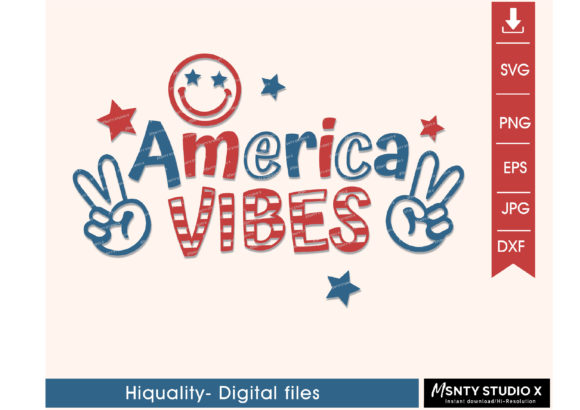
When I first opened the America Vibes SVG, my initial reaction wasn't just about the patriotic theme; it was about how the "Retro Boho Vintage" aesthetic translates from a screen to actual thread. As someone who spends hours testing designs on everything from delicate baby onesies to heavy-duty canvas tote bags, I know that a digital file can look perfect in Photoshop but fall apart under the needle. This Fourth of July Svg caught my eye because it promises a specific mood—one that feels nostalgic and warm rather than stiff or overly commercial. The American Smiley Face element suggests a playful approach, which is rare for holiday-specific embroidery files.
I decided to put this design through its paces with a real-world scenario: creating a boutique collection of custom embroidered kitchen towels and aprons for a local craft fair. My goal was to produce items that felt like genuine handmade gifts but could be produced efficiently enough for a small business owner to sell without losing their mind. The product description lists this as a Crafts category item within Graphics, specifically a digital download cut file, but the true test is always in the stitching. Does the layout hold up when converted into a machine embroidery design? Can the details survive the tension of a satin stitch?
The Visual Personality and Stitch Translation
The "Retro Boho" style implies softer lines and perhaps some texture, which is crucial for embroidery. When I examined the vector paths of the America Vibes SVG, the shapes appeared distinct enough to avoid becoming a muddy blob of thread. The smiley face concept is simple, yet the vintage treatment likely adds character that prevents the design from looking generic. In embroidery, simplicity often wins, especially for smaller hoop sizes common on home machines.
For a project like an embroidered patch or a cap, the layout needs to be balanced. If the design is too wide, it might get lost on the curve of a hat. However, if used on a flat surface like a pillow cover or a tea towel, the full width can shine. The retro vibe suggests that this design would pair beautifully with earthy tones or muted reds and blues, moving away from the neon-bright standard of modern 4th of July decor. This shift in color palette immediately elevates the perceived value of the finished product. Customers are willing to pay more for something that looks curated and timeless rather than mass-produced.
Real-World Application: From Digital File to Finished Product
Let's talk about where this design actually fits best. I tested the concept mentally on several potential products. First, consider a tote bag design. A canvas tote offers a sturdy surface that can handle a moderate amount of detail. The America Vibes SVG would work well here, perhaps centered on the front panel. The contrast between the fabric texture and the smooth stitches of the smiley face would create a tactile appeal that photos can't fully capture.
Next, think about sweatshirt embroidery. For a cozy, oversized hoodie, this design could serve as a chest logo or a larger back print. The vintage feel aligns perfectly with current fashion trends favoring comfort and nostalgia. However, you must be careful with the density. If the fill stitch area is too heavy, it will pull the sweatshirt fabric, causing it to wrinkle around the design. Always check the stitch density before committing to a run.
Another strong contender is baby embroidery. A soft bodysuit or a blanket for a nursery is a natural home for a friendly smiley face. The "America Vibes" theme makes it a perfect gift for new parents celebrating their first holiday. But remember, baby skin is sensitive, so the back of the design needs a clean finish. If the file includes a lot of stabilizer marks or loose threads, it won't meet the standards of a discerning parent buying a personalized gift.
Where to Exercise Caution
Not every surface is a good match for every design. While the America Vibes SVG has a versatile look, there are limitations you need to respect. Small hoop sizes are a major constraint. If your machine only supports a 4x4 inch hoop, you might find that the details of the retro elements get crowded. Tiny lettering or intricate corners can easily disappear when stitched at a reduced scale. If the original file contains fine text, I recommend testing it on scrap fabric first to ensure readability.
Textured fabrics present another challenge. If you are working with a thick chenille towel or a heavily woven linen, the needle might struggle to penetrate cleanly, leading to skipped stitches. Similarly, stretchy fabrics like jersey require a stabilizer that matches the stretch of the material. Without the right support, the embroidery file could distort the garment, ruining the fit of a custom shirt. Dark fabrics also demand attention; if the thread colors aren't vibrant enough against a black background, the design will lose its impact. Always review your thread colors against the final fabric choice before starting the machine.
Curved surfaces like caps are tricky. The design needs to be digitized specifically for the curvature of the hat brim. A flat design applied to a curved surface can look stretched or misaligned. If you are selling commercial embroidery projects, using a design not optimized for the specific shape can lead to customer returns. It is better to use a dedicated cap file or adjust the digitization settings carefully.
Design Notes for the Professional Maker
Before you start stitching up a batch of holiday embroidery items, there are practical steps you must take. First, test the design on scrap fabric. This is non-negotiable. You need to see how the stitch density behaves and whether the applique design elements (if any) lay flat. Check the hoop size requirements to ensure your machine can accommodate the dimensions without cutting off parts of the image.
Inspect small details closely. Sometimes, what looks like a solid line in a digital preview turns out to be a series of tiny gaps in the actual stitch pattern. These gaps can catch lint or unravel over time. Use proper stabilizer to prevent puckering, especially on thin fabrics. If you are creating a digital embroidery file for others to use, ensure you have clear instructions on thread types and stabilizer recommendations.
Consider the visual appeal of the final product. A well-executed embroidery project builds trust with your customers. If the design looks professional, they assume the rest of your shop is high quality. Conversely, a sloppy execution can damage your brand consistency. For Etsy sellers and small shop products, the presentation matters. A clean, crisp finished product sells faster than one that looks rushed.
Finally, confirm your licensing terms. Are you allowed to sell finished items made with this design? Does the license cover commercial use for your craft business? Many designers offer different tiers for personal vs. commercial use. Ignoring these terms can lead to legal issues down the road. Also, compare light and dark fabric backgrounds in your mockups to ensure the design pops in all scenarios. A printable mockup can help visualize this, but nothing beats seeing the actual thread work.
Final Thoughts on the Design's Potential
The America Vibes SVG offers a charming blend of patriotism and retro charm that stands out in a sea of standard holiday graphics. Its potential lies in its ability to adapt to various mediums, from kitchen towels to custom apparel. However, success depends entirely on the execution. By paying attention to fabric choices, stabilizer usage, and stitch density, you can transform this digital asset into a premium handmade product that customers will love.
Whether you are preparing for a busy holiday season or expanding your design assets library, this file is worth considering. Just remember to test thoroughly and respect the technical limitations of your equipment. With the right approach, the American Smiley Face motif can become a signature element in your collection, bringing a touch of vintage joy to your customers' homes.